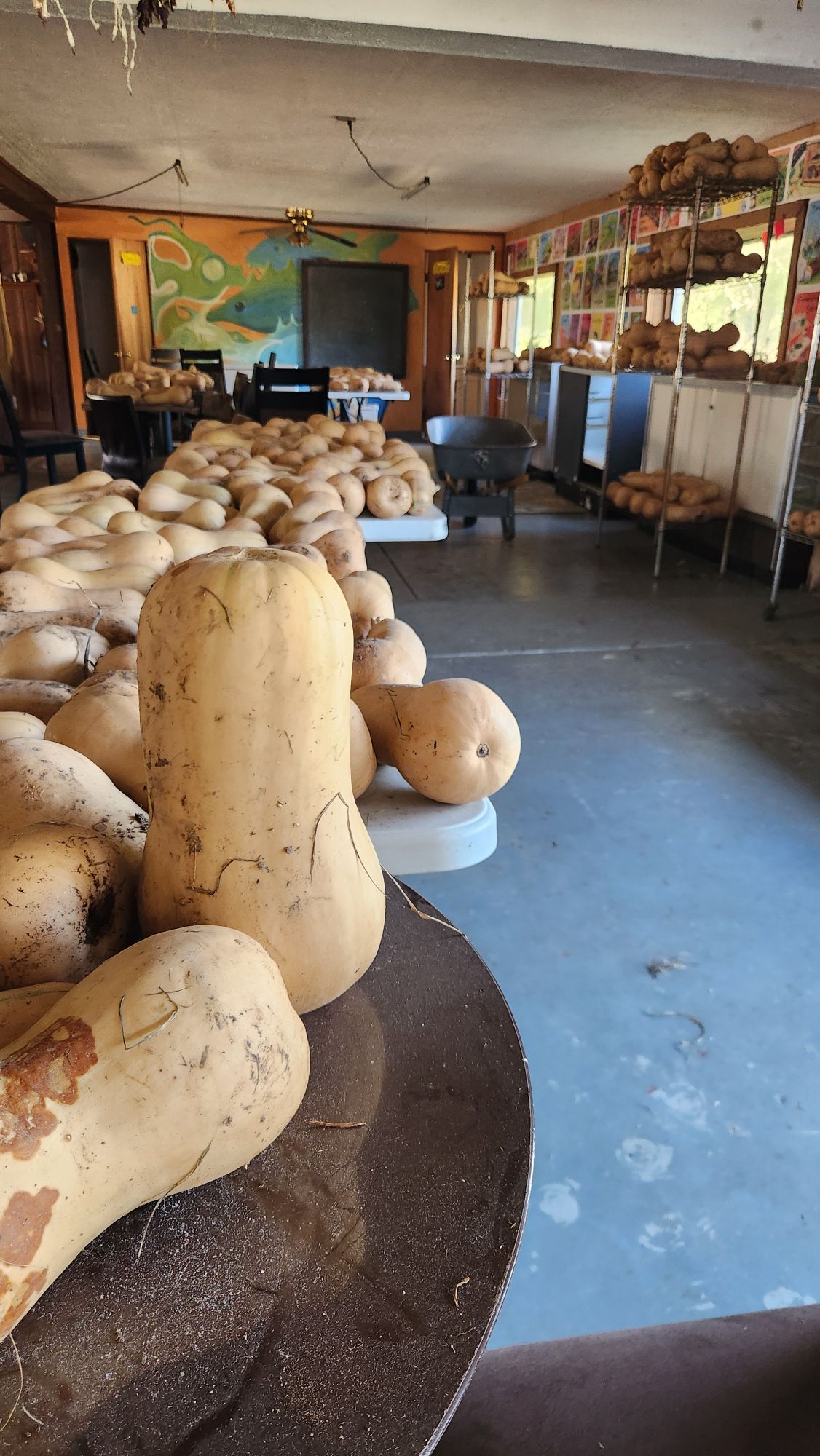
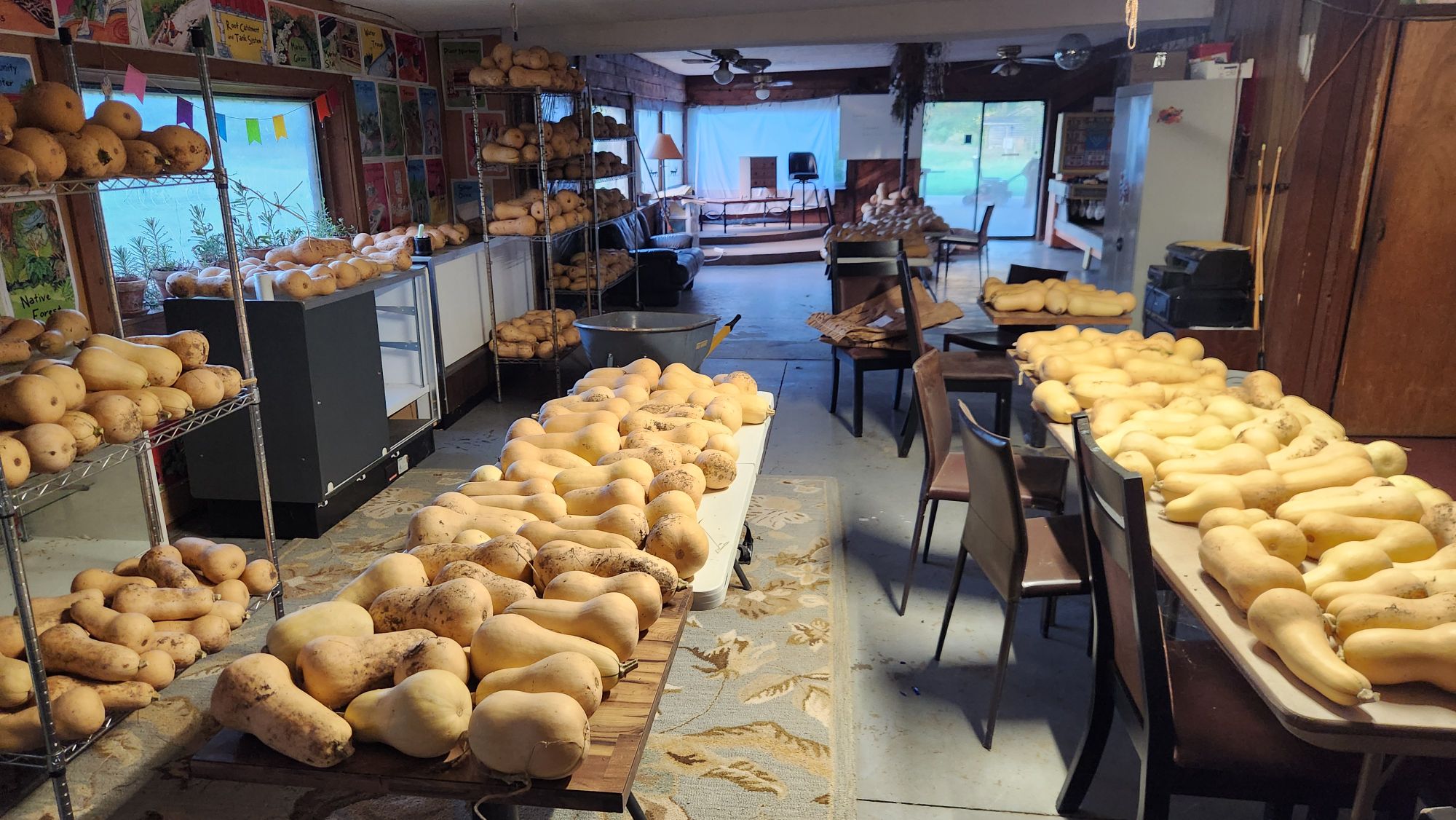
With what started out as a conversation during the covid years with my neighbor and fellow permie, has turned into a passion; growing butternuts. Daniel told me you gotta grow them because of their semi hollow stem and squash vine borer. I had done so much growing in dry places of the world, where there is sooo much less bug pressure, that it was great to get a tip. Did i listen fully? No, instead I still tried to grow x, y, and z winter squash and pumpkins, but alas butternut prevails. Shelves and racks and rando places are still overflowing in our shop a couple months after that bountiful fall 2025 harvest. At the end of the day organic gardening is not difficult, you feed the soil appropriately, maintain consistent levels of soil humidity, select the right cultivars, and provide strokes of management and planting at the consequential moments. Yes there is a lot of baggage wrapped up in that.


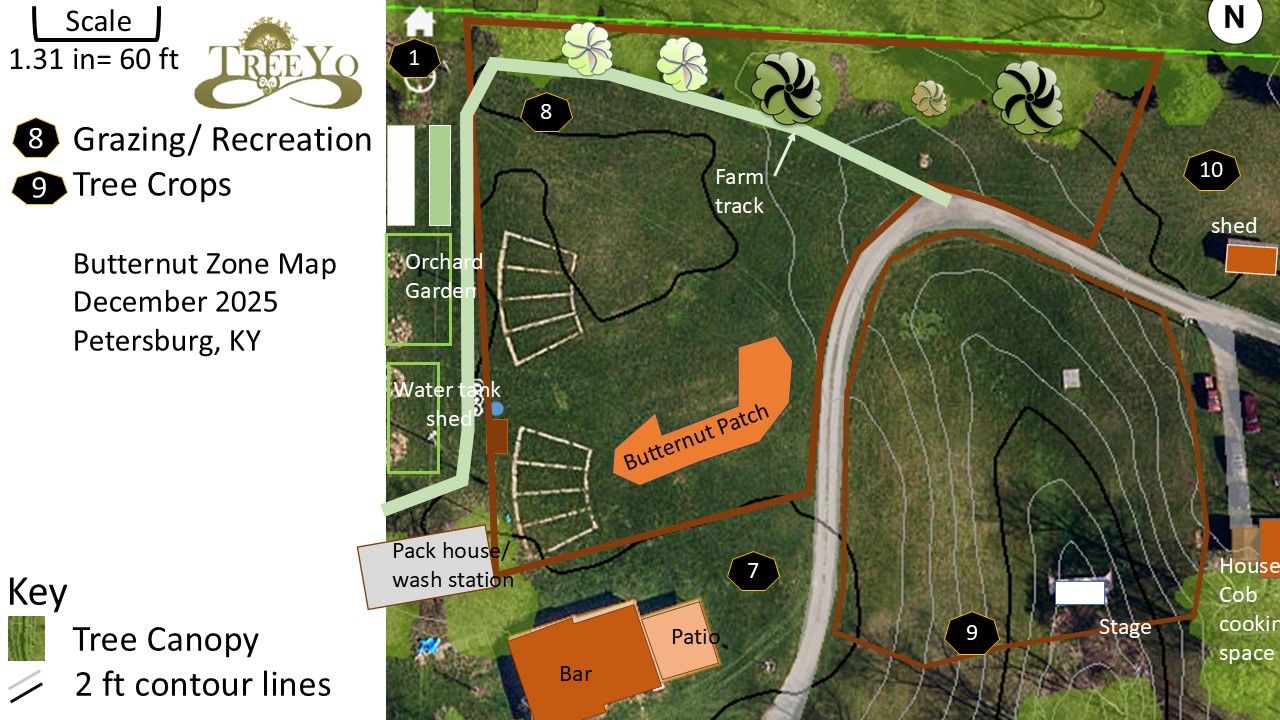
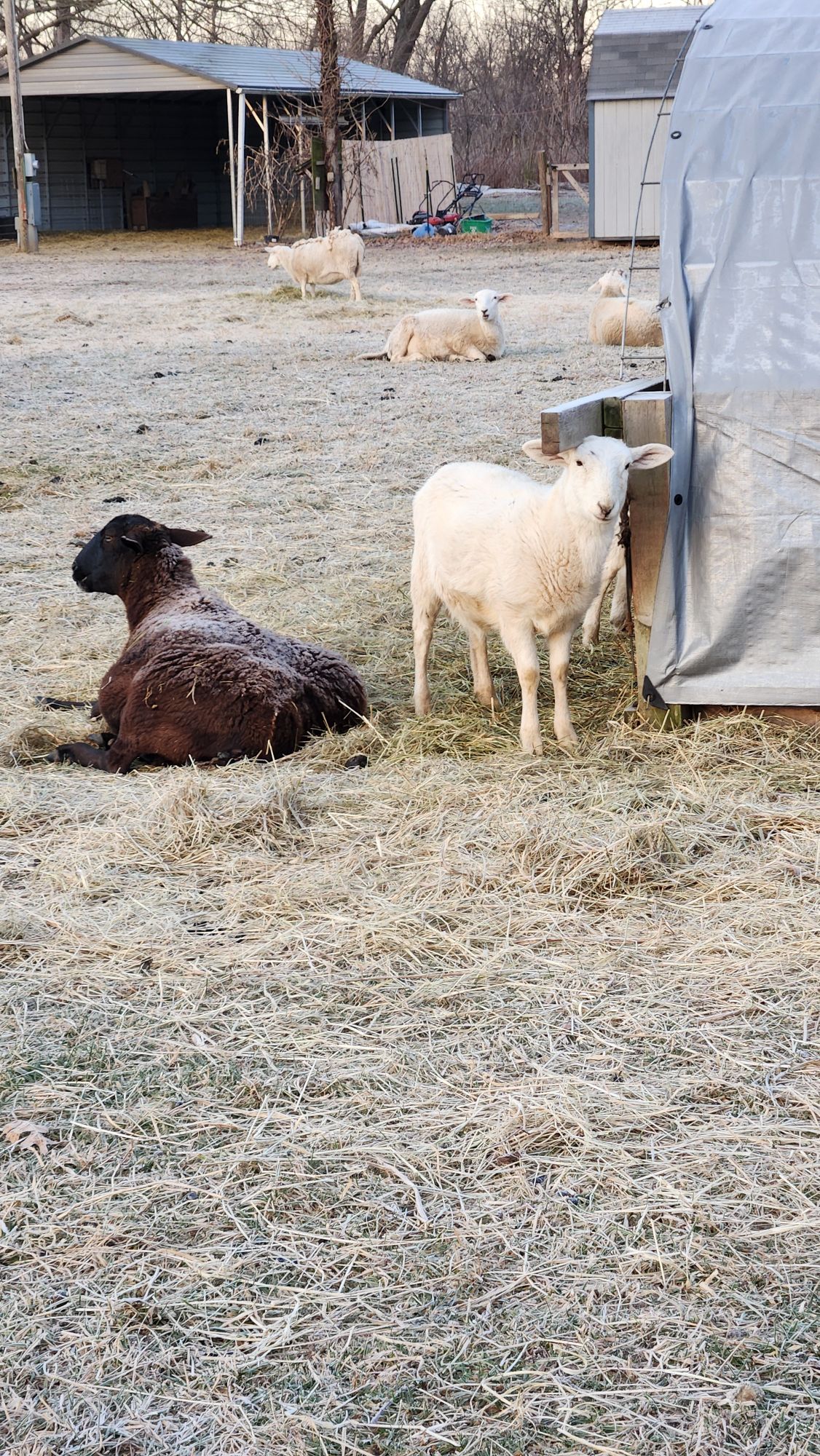
So how the 2025 butternuts started was about 12 months ago witnessing the hay waste and bedding it provided in the field behind the shop and adjacent to the 2-acre orchard garden. I had been thinking how I need to expand into that field after a stout 2024 harvest from the orchard garden. This spot makes incredible sense because it’s in relative location of the garden and irrigation water, making watering and managing quite easy. Furthermore, as winter continued and round bale feeding persisted, an obvious opportunity was coming from a problem. The problem was the grass was being killed where the round bales were placed. My neighbor delivers the 1000 lbs. of dried grass, which was a break away from square bales, allowing me to head into winter with around 40 sheep. He delivers them via a bobcat and I have him put it on a pallet to keep it a bit dryer from ground moisture upwelling. Then we place mobile structure called the shaggy shady sheep shelters, think chicken tractor and cattle panel arch gardens smashed together and voila. As the sheep would go through a bale, I would set up the next pallet around 20 feet apart as their seemed to be about that much radius of waste hay from the 10 x 8 structure. Sheep, unlike my goats, would loaf in the field and sleep out there, not even in their semi barn unless it was raining or heavy snowing. So overtime I saw this pattern unfolding and made the bale spillages merge into some L’ish shape after the initial random layout. All winter until March the herd was there, numbers going up and down with births and slaughtering. Needless to say, it was a lot of manure and hay. I got this idea from watching a video from the grazing legend Allan Savoury, founder of holistic management, talking about how in Africa, where he lives, they make sacrifice paddocks for hay feeding then grow a garden afterwards. It’s actually quite brilliant and a great example of energy cycling.

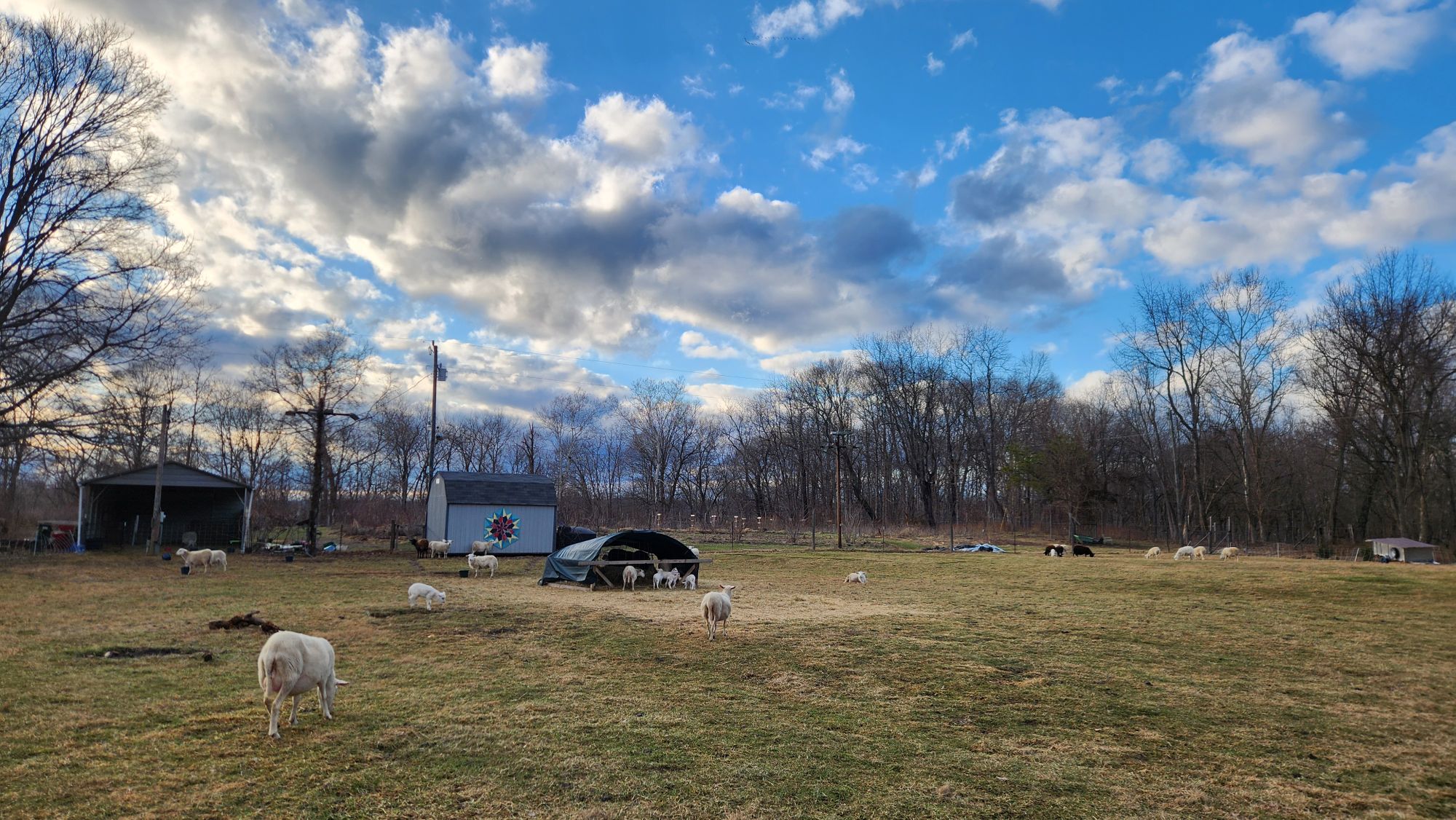


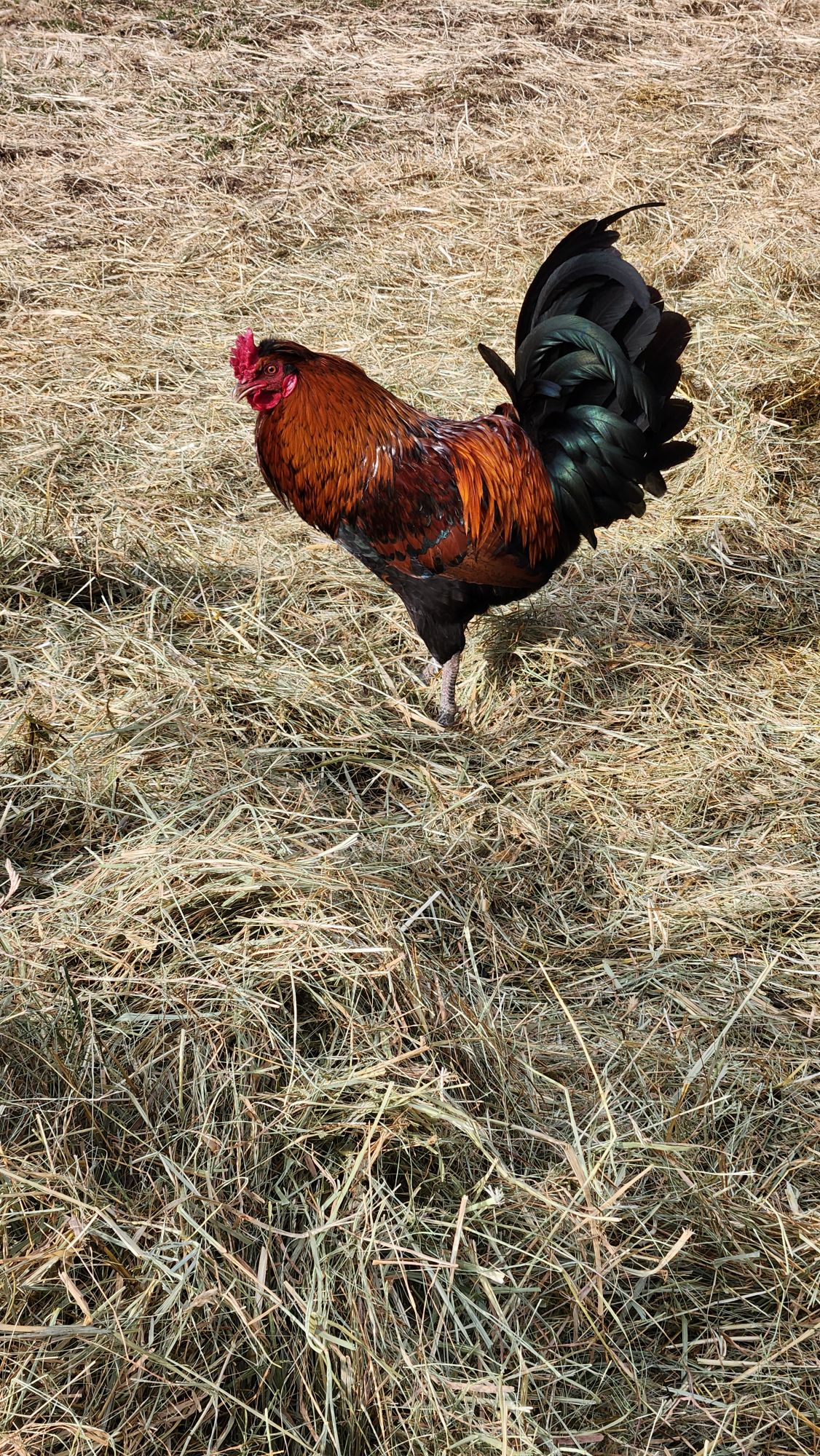

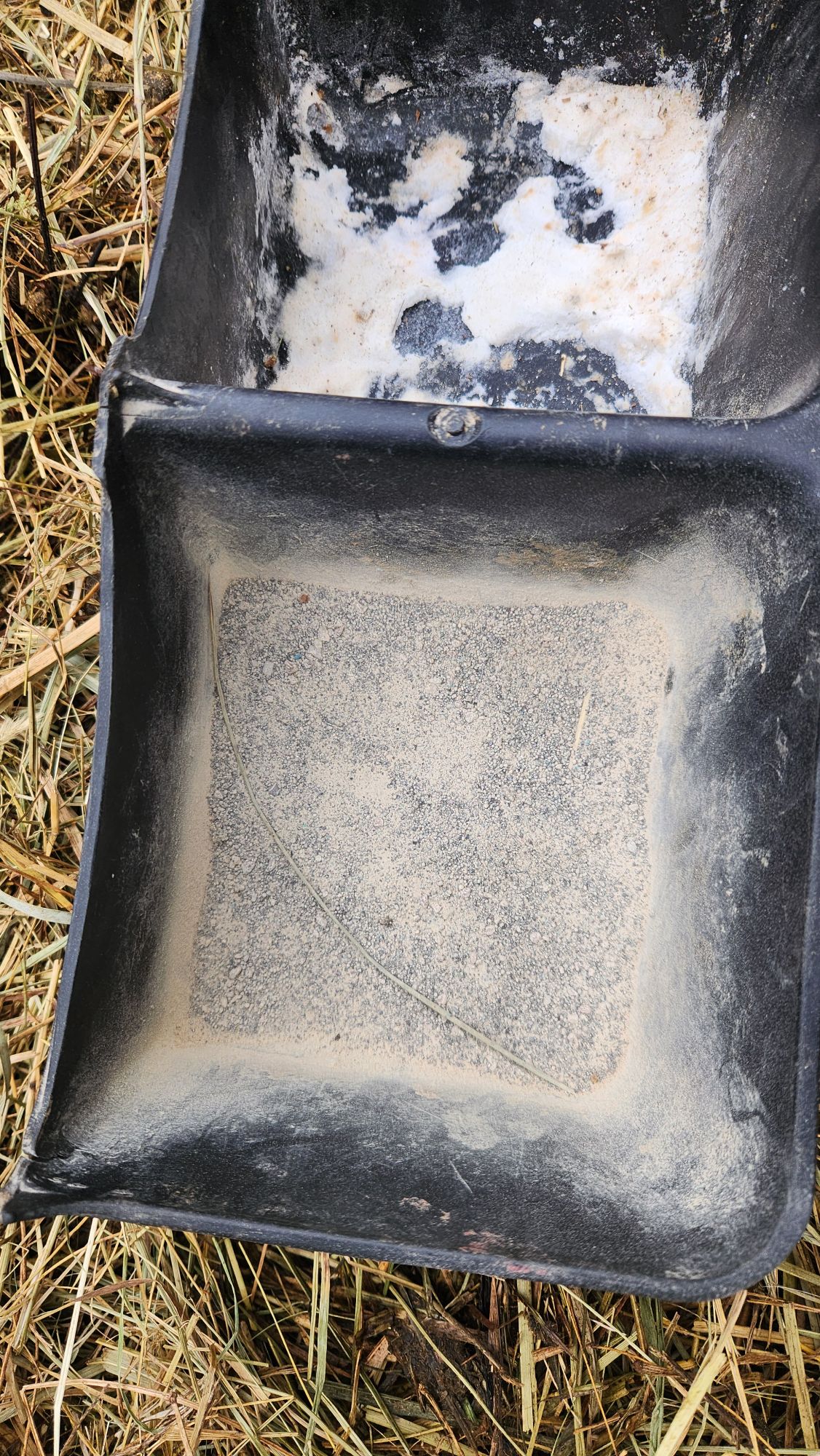
The sheep manures are enriched through feeding them high quality minerals from New Country Organic. Moreover, ruminant manure is full of lactobacillus, ready to break the manure into top soil immediately. The presence of robust counts of lactobacillus cannot be undervalued in an organic growing operation. This helps break down the hay and provide a layer of disease resistance in the soil. The minerals passing through also brings a passive way to nourish the soil not just through organic matter, but also mineral enhancement. Furthermore, the hay broke down from March when they stopped eating it, till Late May/ early June when I planted. The chickens on free range definitely checked this area out nearly daily because of the obvious hot spot for worms and other insects. They scratched and manured and also aided in the break down process. Essentially it was sheet mulching without me really doing much. One of the largest tasks of the year on the farm is the cleanup of waste hay/ manure mix that goes to garden beds, compost piles, hedgerows, and perennial beds in the orchard garden. So, to not have to cleanup that and get a yield out of it was so great. In the end this technique saved labor (money), reduced tillage, and provided a massive crop.

When it was time to seed it was raining a lot, which was helpful but also made for a few delays. Sometimes in spring because of landscaping season I am a bit late on everything in terms of the garden. But what I did was take a rogue hoe (very much like the enchadas we use in Portugal) and pull back the mulch in lines. It was several inches thick still, even thicker in spots. Then once I was as close or at soil as I could get I worked the soil a bit with the hoe to incorporate organic matter and create a seed bed. A tiller is a mechanized hoe is essence. I planted nearly 600 seeds that I got from Azure Standard as I have yet to save my own ($25). They sprouted easily with the rain, only needing to irrigate once or twice. I did a light bit of cultivating after the plants sprouted but nothing in comparison to my sweet potato field which yielded peanuts compared to this. Also, non-electrified net fencing helped keep my free ranging egg layers out as it became even more inviting with the soil disturbance.
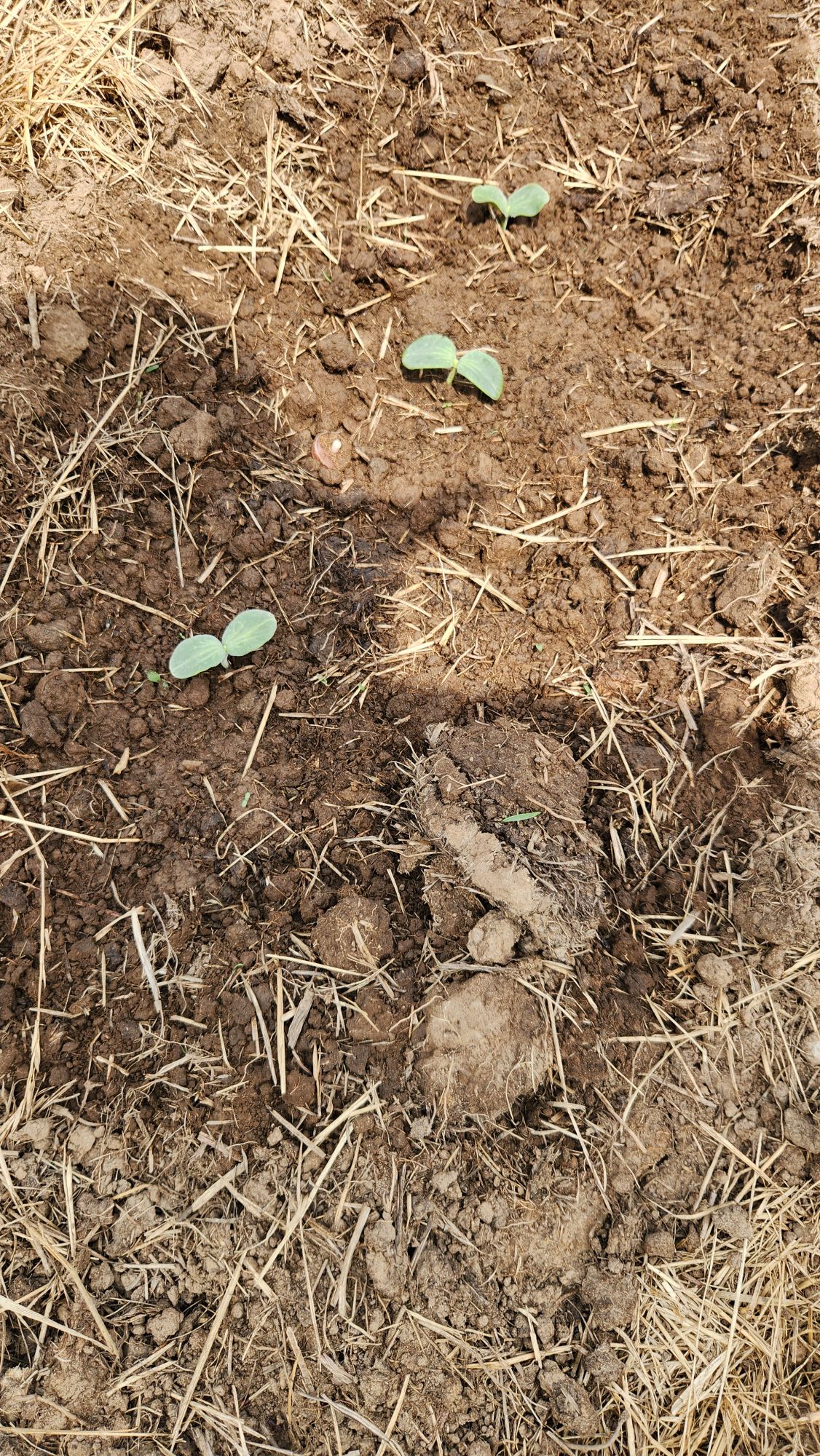
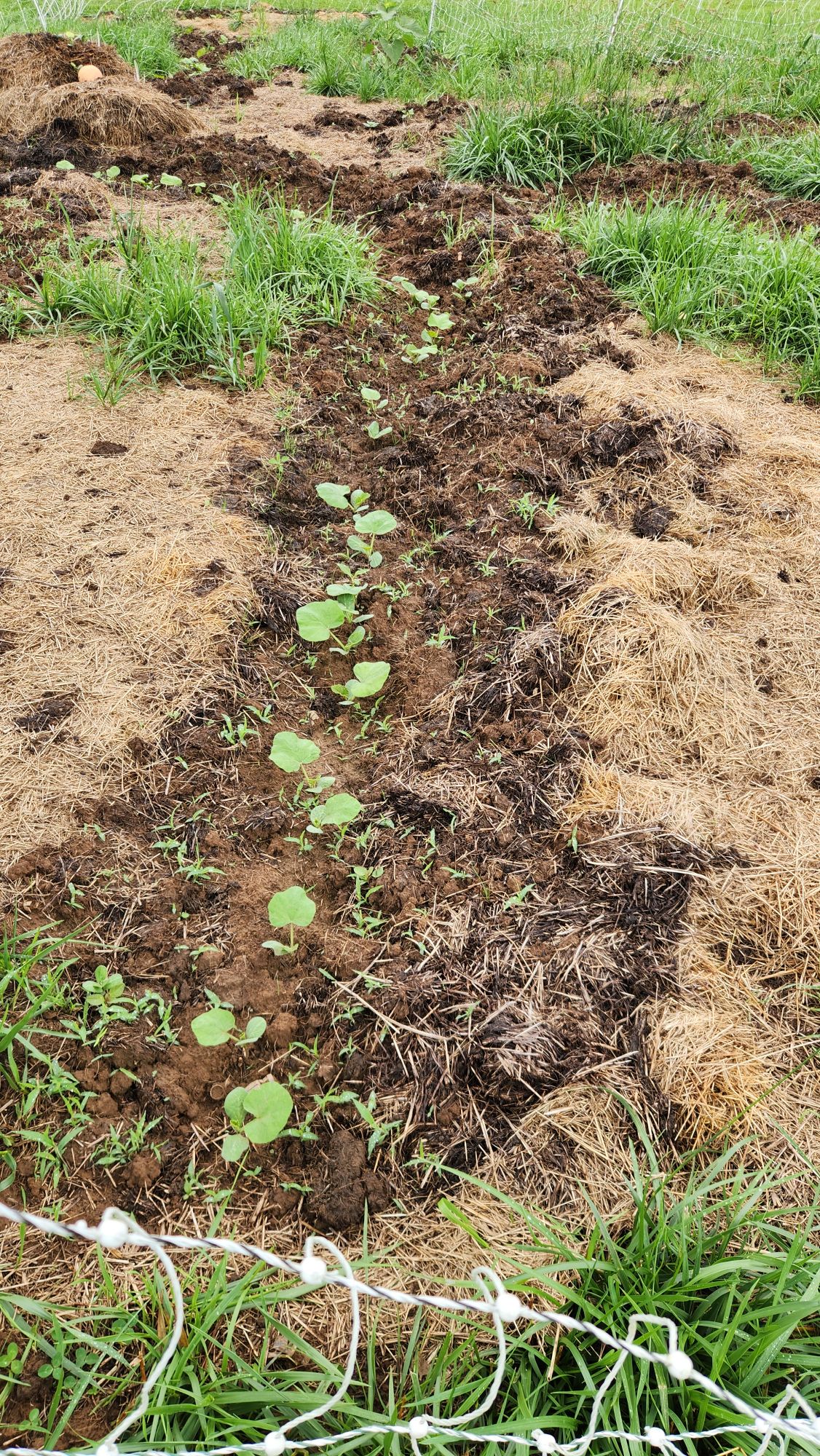
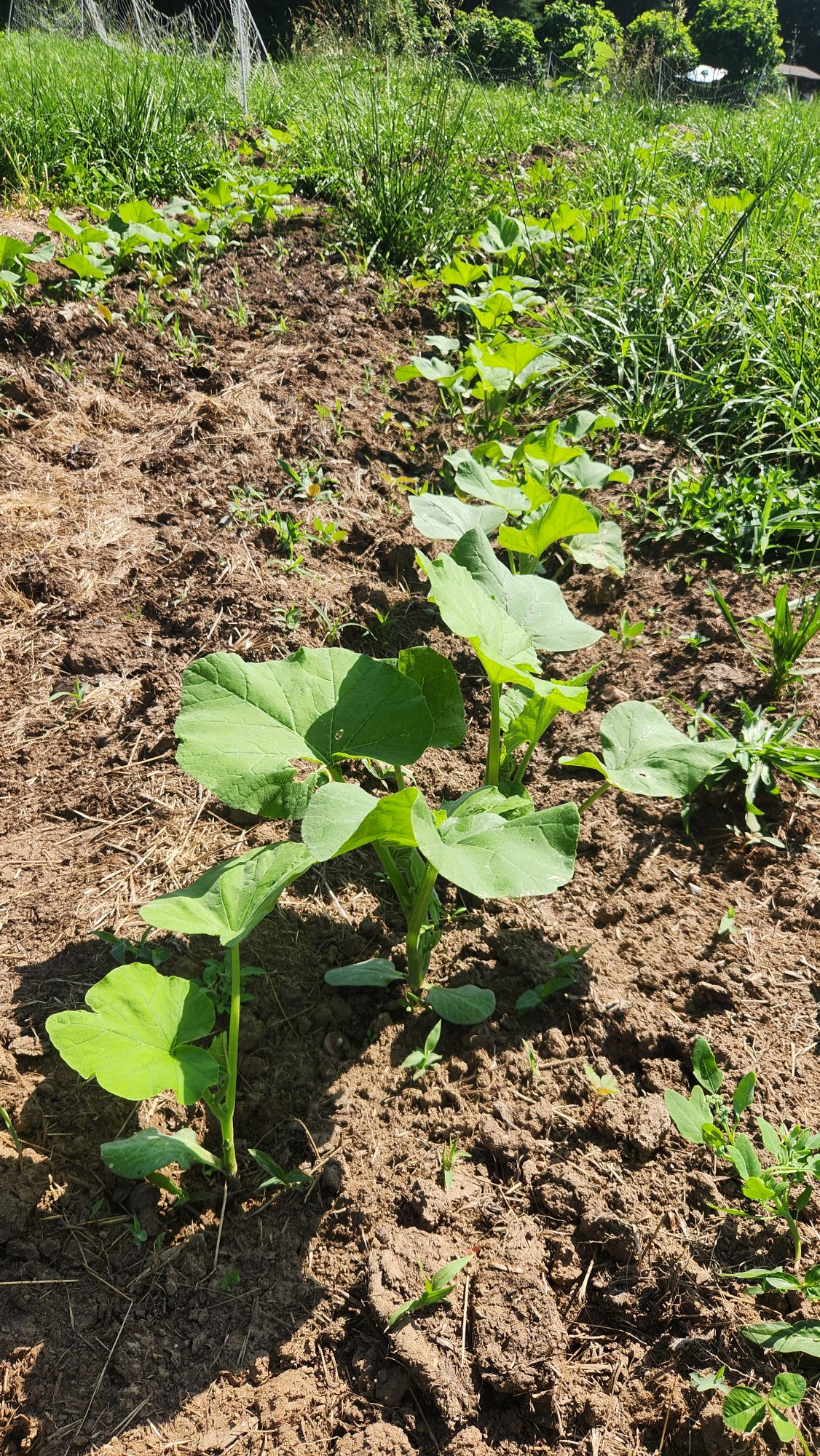

Once they had sprouted and grew a foot it was fine for me to remove the electric fence. Butternuts juiced up on hay manure and lots of rain and plenty of heat grow like crazy. Then the next interesting piece was using the highly malleable form of the electric fence to bring the sheep back into this pasture but not have access to the squash patch. Essentially every 30 days or so when they came back to this pasture their pasture got smaller and smaller as the butternut vines splayed out. It’s the only pasture on the land that is pretty much flat and a block shape. But then it became some amorphous blob shape. It was cool to see the whole L shape expanding and thriving and seeing these hugs fruits forming. Then the dry set in which seems to happen now every years, but this time later. So that made us resort back to irrigation and definitely stressed the plants as they were just so used to rain at that point. That does invite bugs and as a busy gardener i didn’t do anything to help them other than irrigate. I know if i would have set the seeds earlier in May I would have gotten exponentially higher yields because of this late summer dry. Non the less I would say I got around a 1000 squash harvested and lots of blemished ones were left in the field for the sheep to eat in their fall rotations.

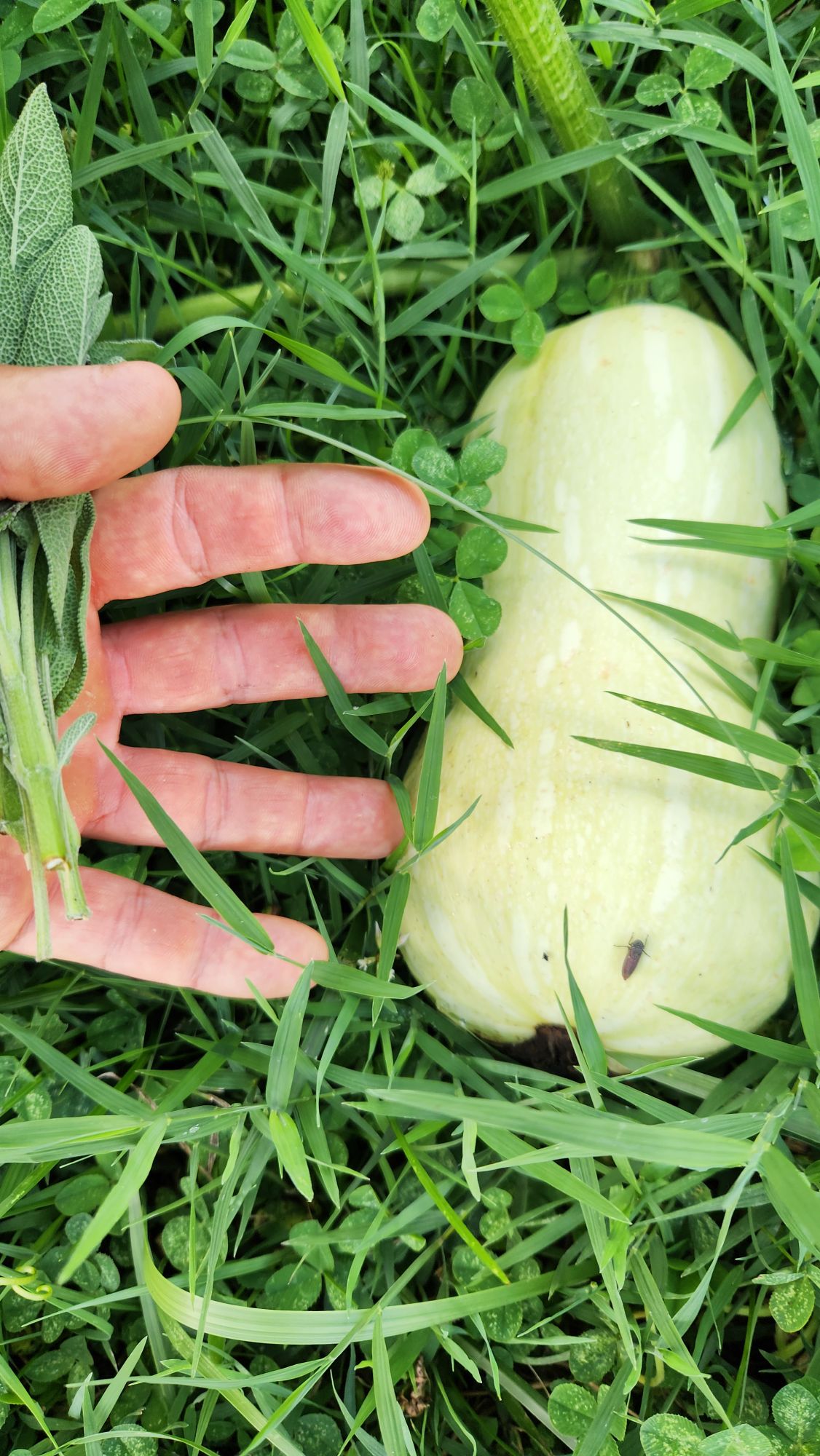
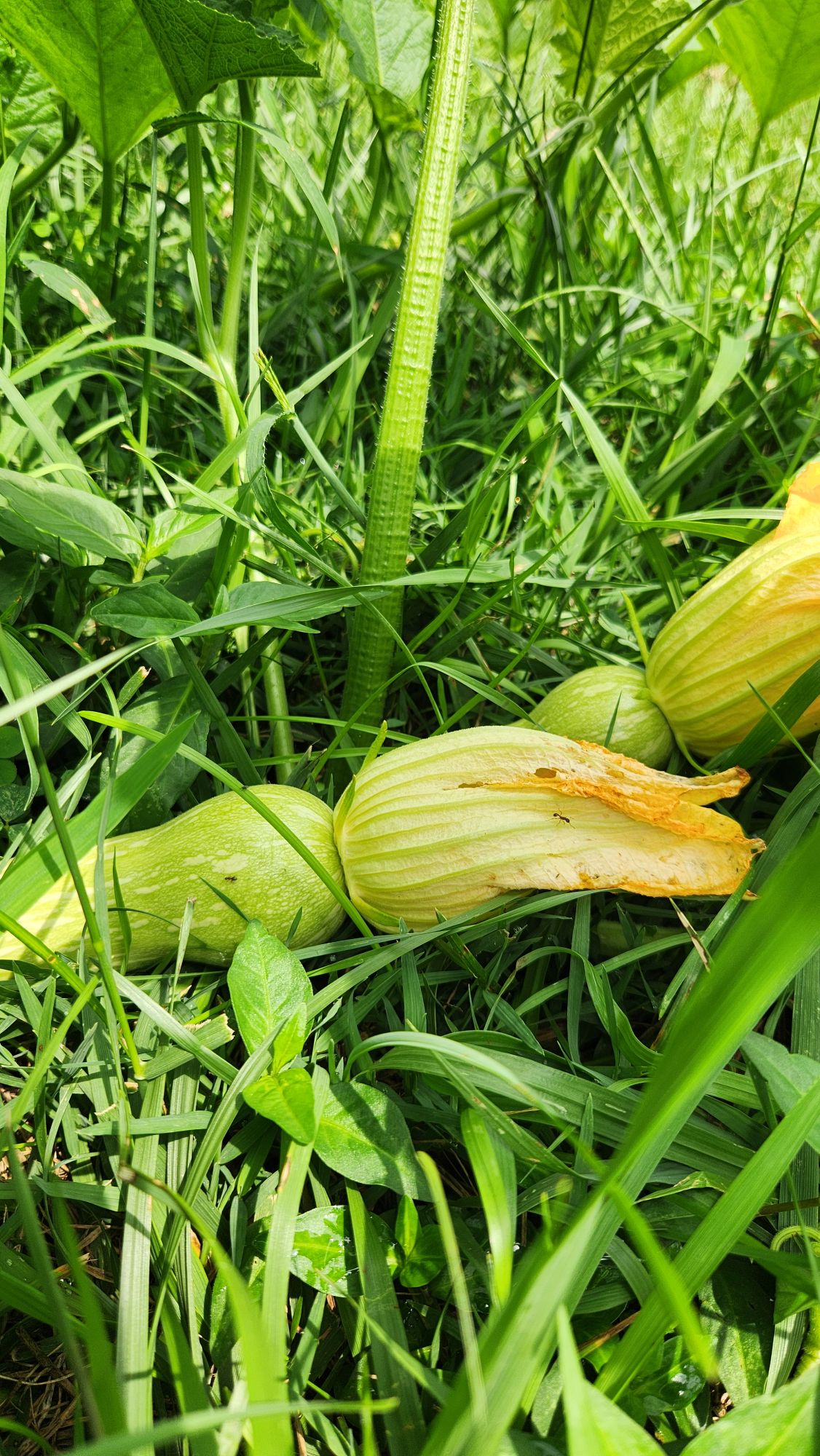

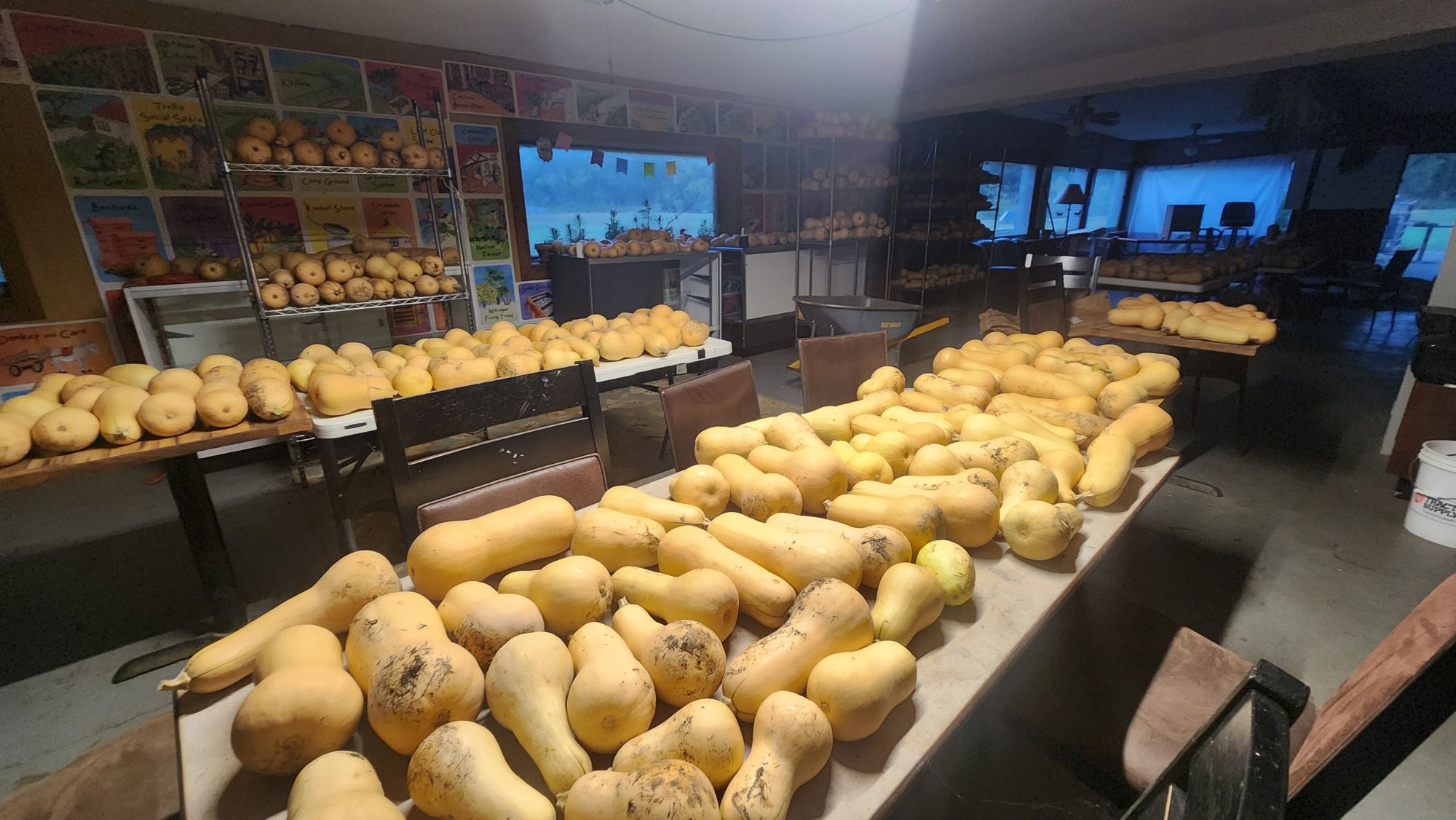
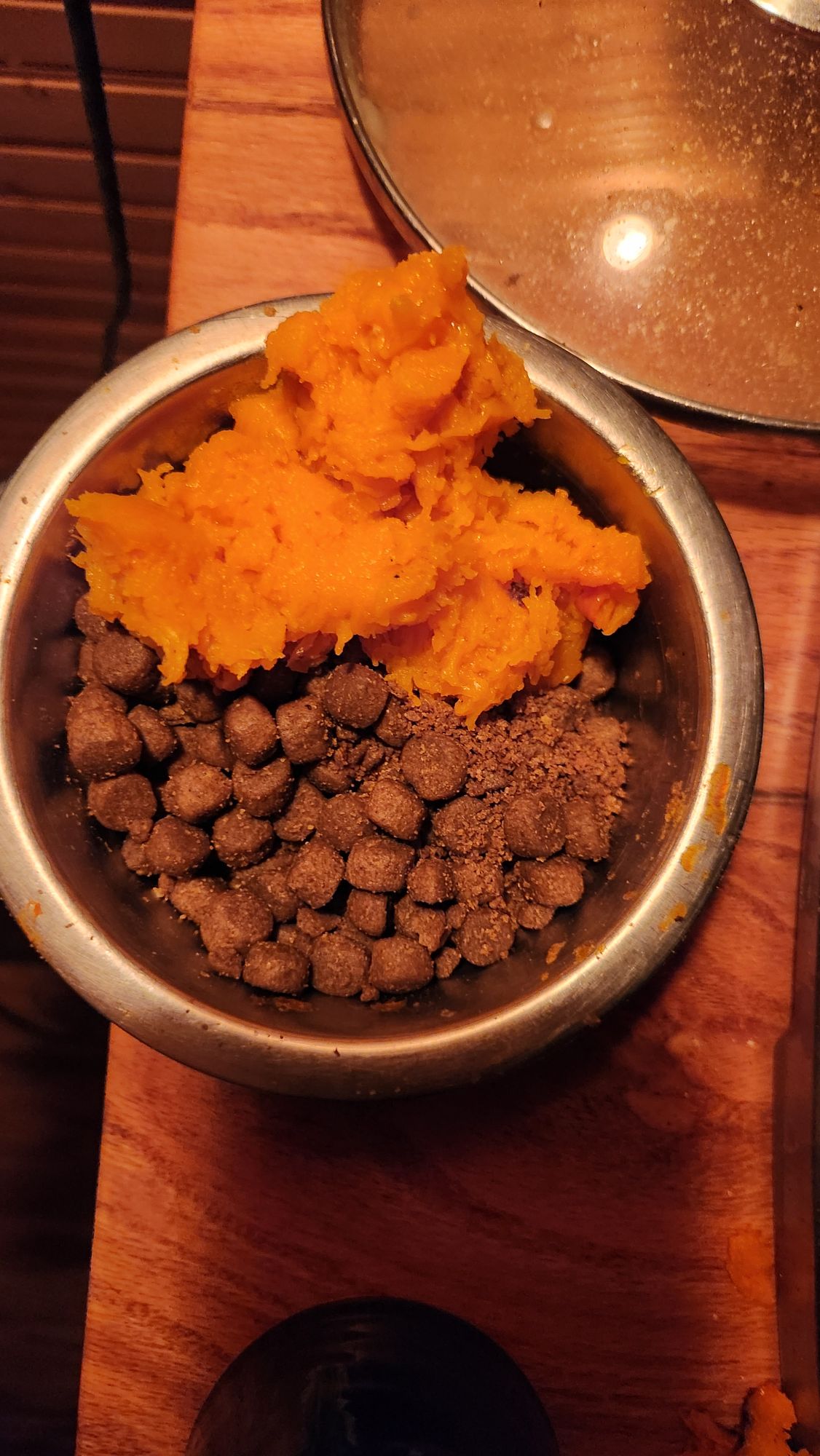
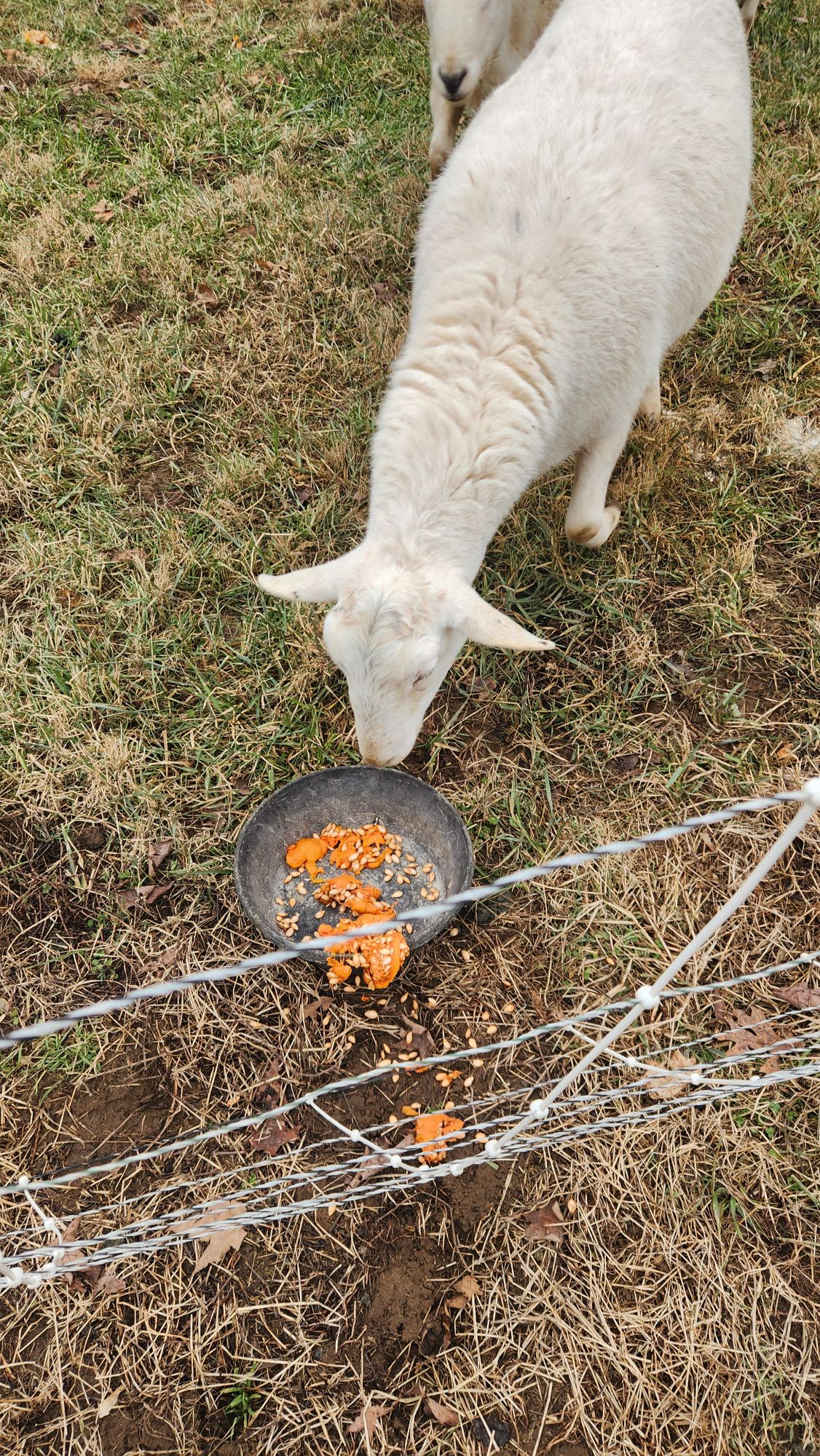
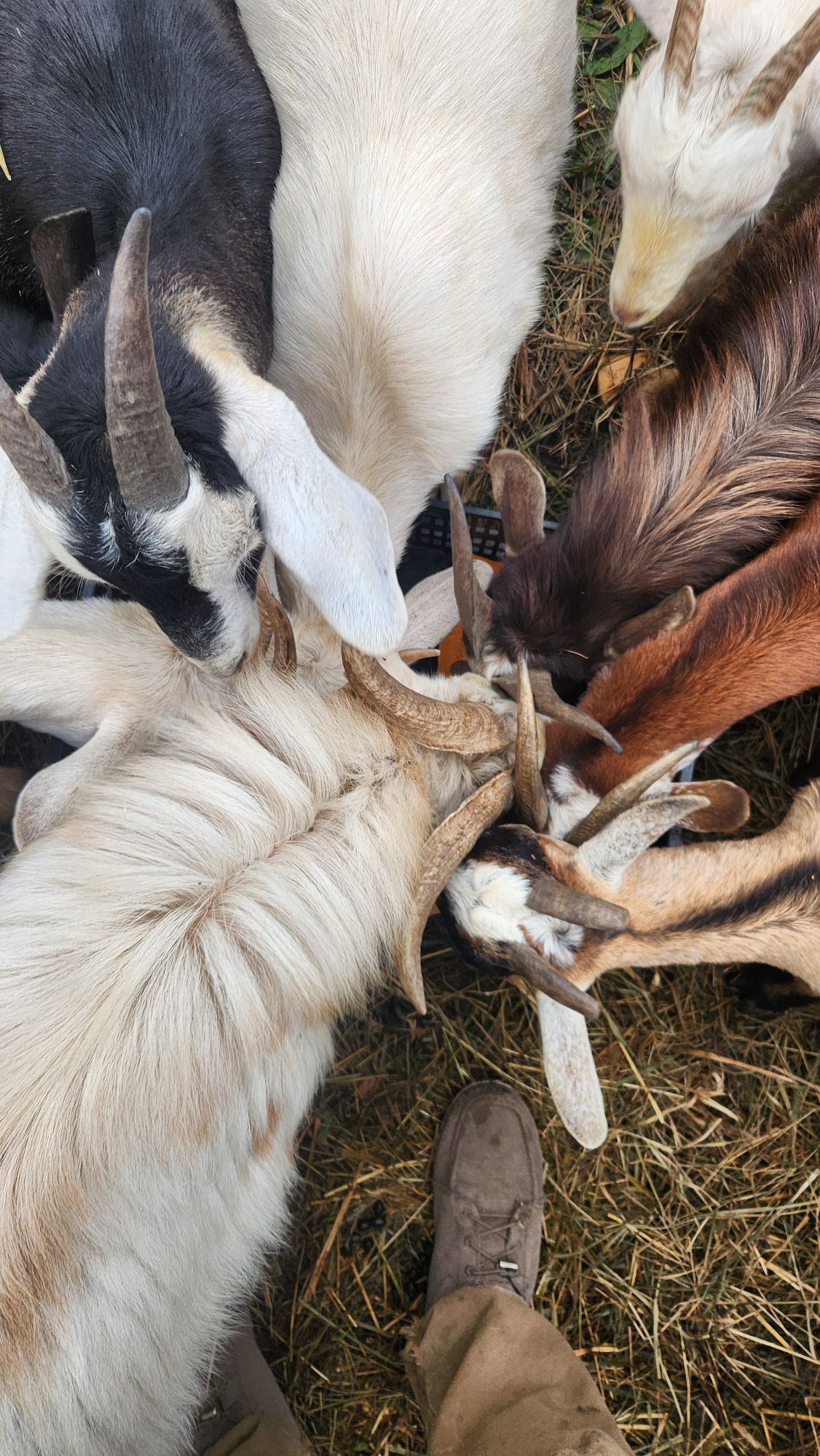
From there the daily eating has happened here. I eat them a lot in my staples, tacos and curry and even add to my pasta sauce to sweeten it up. Basically, you cut it in half long ways and roast it (400 for 45 minutes with a bit of water at the bottom of the pan and some stab marks in the flesh). Then scoop it out into other dishes or just eat with some salt and butter. I also cook it that way for my dogs who have been eating lots of it as I amp that up and lower their egg intake with the hens laying a lot less in these cooler times and much shorter day length time. Speaking of chickens, they get the skins with some leftover butternut on it after cooking. Alternatively, this goes to the worm bins as well since the worms will like the bacteria that grows on this sugary substrate. I also continue to split the going off or blemished or wrinkly ones to the sheep and goats. They immediately go after the seeds and demolish those then move onto the flesh. I feel like the goats stay at it longer with certain goats having much more of an affinity than others to them. And of course, their current manures will go to future soil fertility for the butternuts to thrive in. These sandy loam soils are quite like a tropical soil where the humus dissipates unless your feed often. The nutrients just pour through, especially on such a heavy rainfall year as we had last year.


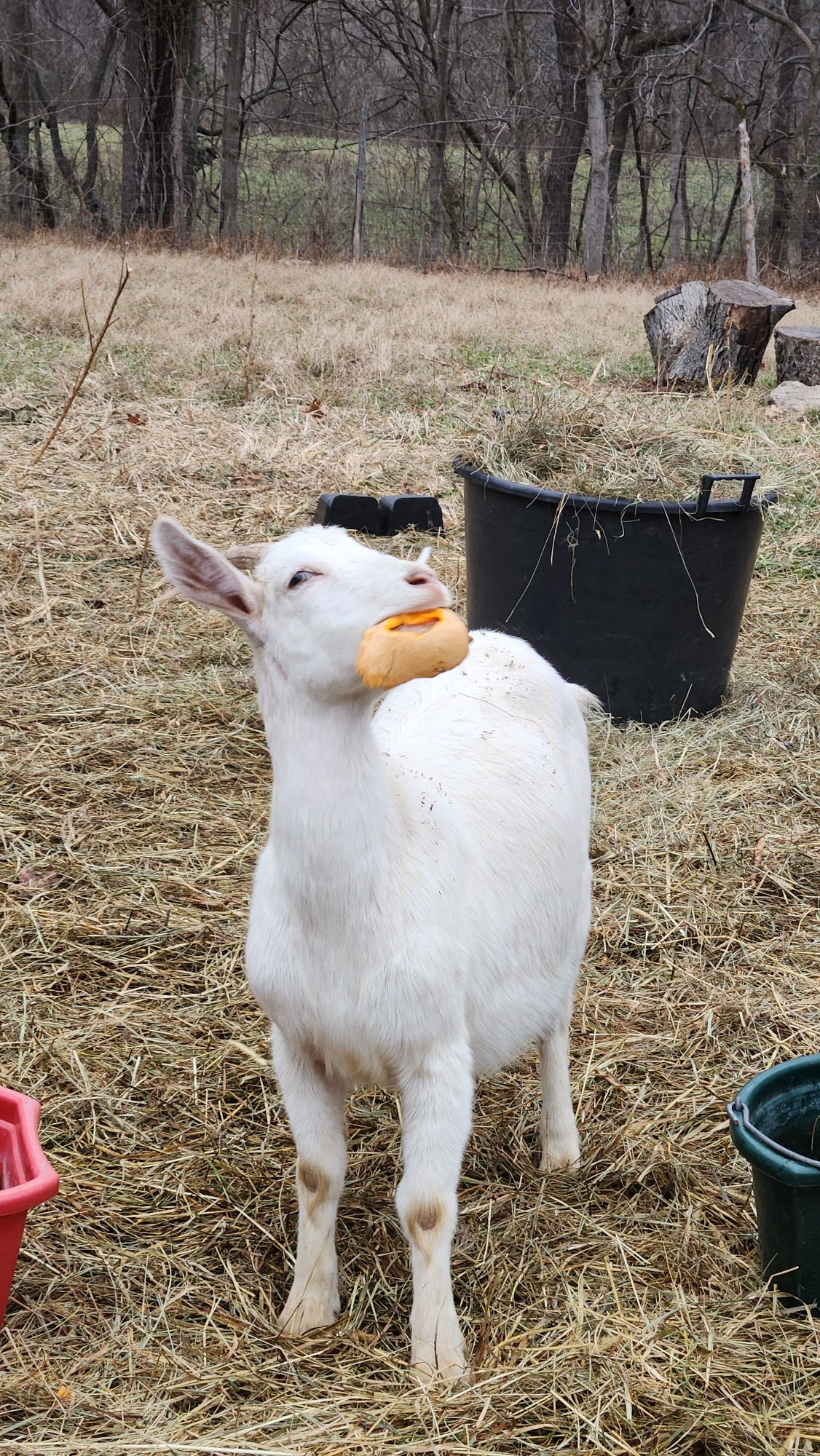
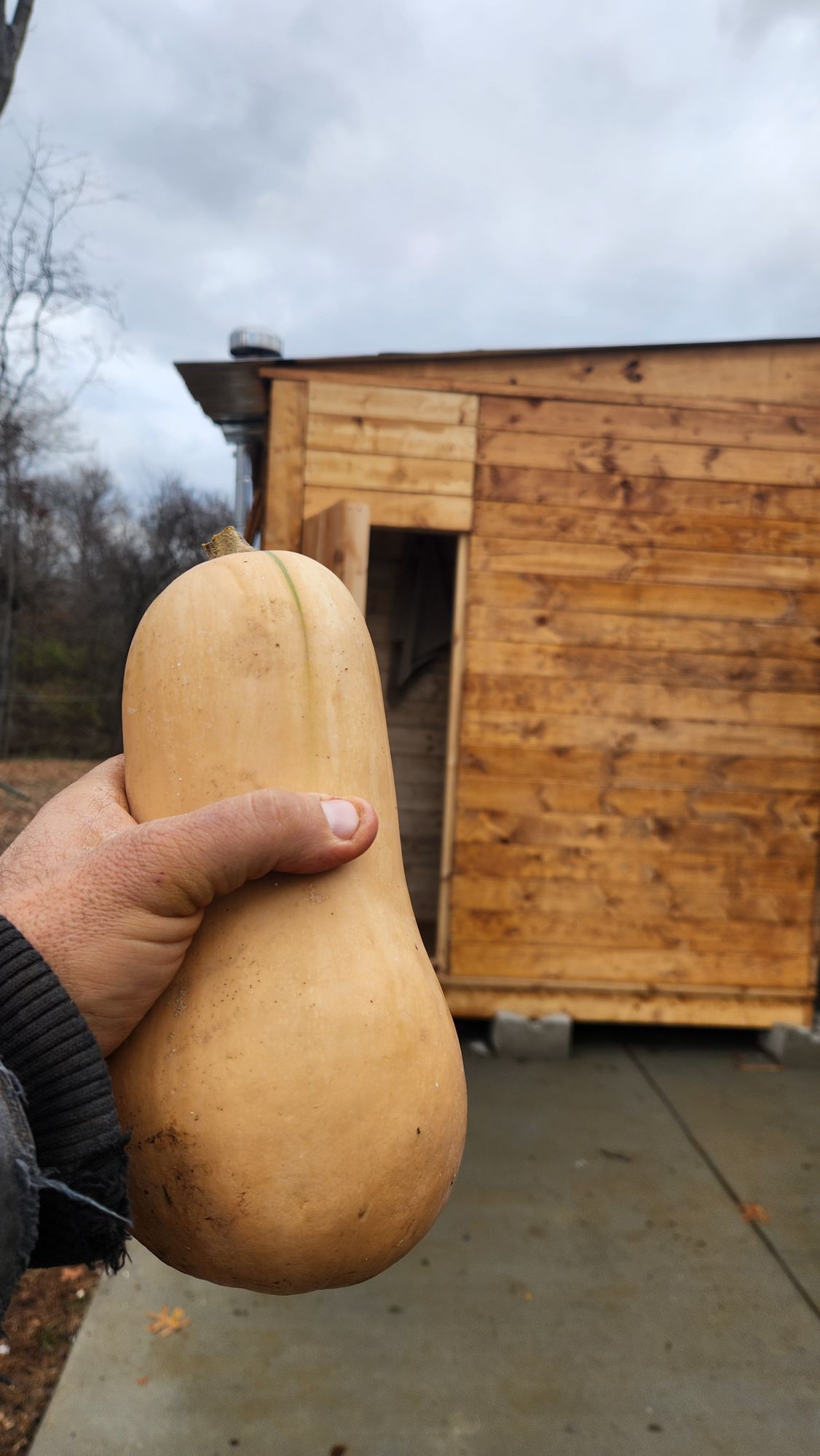
I am very grateful for this staple crop allowing me to make soups and other dishes always test better. I have sold a few hundred pounds already but am in no rush to get rid of them. They are feeding so many here, I even saw my cat licking one of the roasting pans where some goo had seeped out during roasting. Incredibly I had some from the year before store until this fall, which I fed to the animals. This proves they are a great keeper and until that first summer squash is ready in June or July, keep eating that butternut squash. Easier to grow because of its morphology and adaption making it a great organic garden choice. Butternuts have a ton of nutrition too! And the compost toilet as been put to good use now that I am living back at the tiny house again. So, see circles, the squash feeds us, and we feed the soil microbes that feed the plants that feed us. In the end, what was a sacrifice pasture turned into a crop field with a huge harvest. So sometimes we sacrifice to achieve more in the end.

 TreeYo Permaculture
Leave a comment